Research

Strategic aim: Promote excellence in the evidence base, translating research into best practice for families after ABI.

Stay informed

We provide a platform to share contemporary research findings about the impact of ABI on families.

Papers of interest

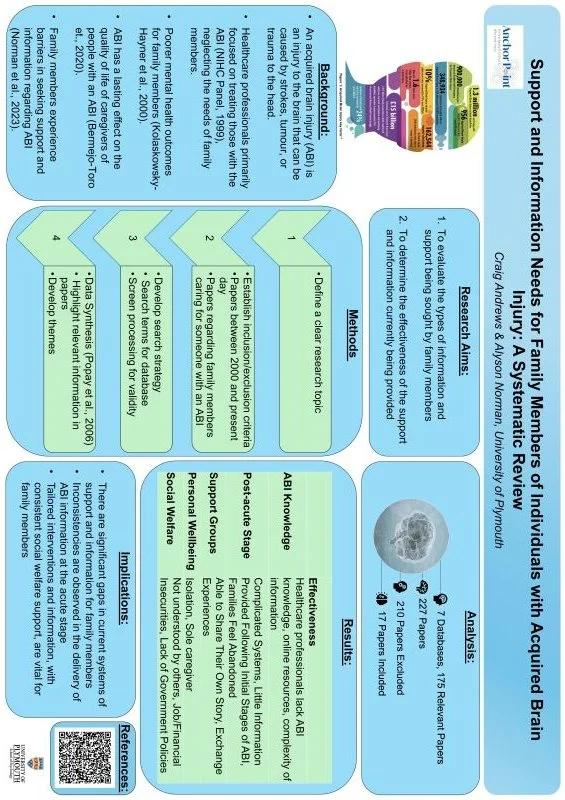
Andrews, C., Norman, A., Jackson, S., & Holloway, M. (2026). Understanding the Support and Information Needs of Family Members After Acquired Brain Injury: A Systematic Review. The Family Journal, 0(0). https://doi.org/10.1177/10664807261415878

Abstract: The aim of this systematic review was to (a) identify the specific information and support needs of family members caring for ABI survivors and (b) assess the effectiveness of current support systems and resources available. A comprehensive search of the literature was carried out, focusing on studies that were published between the years 2000 and 2025. Seventeen studies met the inclusion criteria. The review employed a narrative synthesis approach to collate findings across papers. The analysis identified five key themes: ABI Knowledge, The Strain of Unsupported Transitions, Emotional and Financial Cost, ABI Support Groups, and Supporting Social Connectedness. The findings indicate significant gaps in current systems of support and information for families of individuals with ABI. Inconsistencies in the delivery of ABI-related information during the acute stage create stress among family members. The post-acute stage presents challenges with instrumental support and insufficient emotional and peer support. This review demonstrates the importance of a more flexible, person-centered approach in supporting families of ABI relatives. Providing tailored interventions and information, with consistent social welfare support are vital in improving the quality of life for both caregivers and ABI survivors.

Spencer, D., Whiffin, C. J., & Gracey, F. (2025). A thematic synthesis of parents’/carers’ perspectives regarding the development and content of interventions aimed at supporting children and young people with acquired brain injury and their families. Disability and Rehabilitation. https://doi.org/10.1080/09638288.2025.2591692

ABSTRACT Purpose:  This review aims to synthesise published evidence on parents’/carers’ perspectives regarding the development and content of interventions for children and young people (CYP) with acquired brain injury (ABI) and their families. Materials and methods: A systematic review of qualitative and mixed-methods studies was conducted. Searches in MEDLINE, PsycINFO, CINAHL, OpenDissertations, AMED, and Scopus identified studies reporting parents’/carers’ perspectives on ABI interventions. Thematic synthesis was used to analyse findings, and study quality was assessed using the Critical Appraisal Skills Programme (CASP) tool. Results:  Thirteen studies were included. Two overarching themes were identified: 1) Feeling supported, highlighting the importance of emotional reassurance, peer connections, and sustained access to support; and 2) Being equipped to navigate the complexities of ABI recovery, highlighting the need for accessible, structured, and culturally responsive interventions to help families navigate ABI recovery. Parents/carers valued flexible, inclusive, and tailored interventions that adapted to their evolving needs. Conclusions:  Findings highlight the importance of interventions that provide both emotional and practical support while remaining accessible and responsive to diverse family circumstances. These insights contribute to the development of family-centred rehabilitation programmes that enhance parent/carer wellbeing and engagement in CYP’s recovery.

Norman, A., Holloway, M., Bald, C., Amadiegwu, A., Clark, M., Linden, M. A., Spirit, T., Ademakinwa, T., Mellor, K., Ricketts, A., Driver, L., Grant, S., Shephard, S., & Bateman, A. (2026). “I wasn’t prepared for that”: UK social worker experiences of training in and knowledge of acquired brain injury. Journal of Social Work. Advance online publication. https://doi.org/10.1177/14680173251409284

Abstract: Summary: Acquired brain injury is a major cause of death and disability. Due to the impact of acquired brain injury on an individual's and a family's functioning, social workers are likely to encounter individuals and families affected by the condition. This study aimed to (1) identify the existing level of knowledge and skills of social workers in working with individuals with acquired brain injury and their families and (2) examine the training needs of social workers to improve their knowledge and skills in working with those with acquired brain injury. A series of semi-structured interviews with newly qualified social workers (six), brain injury specialist social workers (nine), team leaders (two), and commissioners (three) were conducted and analyzed using thematic analysis. Findings: The data highlighted that social workers in England and Wales have no formal training around acquired brain injury but felt there was a need for different levels of training and guidance for social workers. Participants also discussed the need for better integration with health care and a greater focus on relational working to enact positive change for individuals and families. Applications: Social work training should be embedded within prequalification training with additional postqualification training where appropriate. Work and training within social work should take an interdisciplinary approach. The authors have taken the data to develop a freely available online training program for social workers.

Lundh, M. G., Nordentoft, S., Smedegaard, P. S., Aadal, L., Loft, M. I., Poulsen, I., & Guldager, R. (2025). Interventions facilitating the involvement of relatives of patients with acquired brain injury or malignant brain tumour: A scoping review. Journal of Clinical Nursing, 34(3), 784-794.https://doi.org/10.1111/jocn.17328

ABSTRACT Aim: To identify and map the evidence on interventions facilitating the involvement of relatives of patients with an acquired brain injury (ABI) or a malignant brain tumour (MBT).Background: An ABI or a MBT are severe diseases that have profound impact on the lives of patients and their relatives. The well-being of the patient may be deteriorated, and relatives may experience a new role and changing caregiving tasks. Involvement of relatives seems essential, and there is a need for identifying interventions facilitating the involvement. Design: Scoping review. Methods: The Joanna Briggs Institute methodology was used in this review and the review was reported in accordance with the PRISMA extension for scoping reviews. Data Sources: The literature search was conducted in MEDLINE, Embase, CINAHL and Cochrane Library. Reference lists of included studies, Google Scholar and Web of Science were also searched. Results: In total, 46 studies were included of which 36 (78%) involved patients with stroke. Median duration of study interventions were 8 weeks, and nurses were in-volved as providers of the intervention in 23 (50%) studies. Thirty (65%) studies used a multicomponent intervention. Thirty-five unique outcomes were identified using 60unique outcome measurements. Conclusion: Interventions facilitating the involvement of relatives differed importantly in key characteristics of study interventions, and in relation to the context in which they were used. There was no consensus regarding choice of outcomes and outcome measurements. Our results highlight the complexity of interventions in this field.

Dawes, K., Lines, L., Simpson, G., & van den Berg, M. (2025). Clinician perspectives on their practice and digital priorities to support and educate children after a parental acquired brain injury: a qualitative study. Disability and Rehabilitation. https://doi.org/10.1080/09638288.2025.2563008

ABSTRACT Purpose: Parental acquired brain injury (ABI) can profoundly affect children, yet clinicians often feel unprepared to support them. This study aimed to identify barriers and facilitators influencing clinicians’ capability, opportunity, and motivation to provide support, and explore preferences for digital resources to aid clinical practice. Materials and Methods: Seven focus groups were conducted with 29 clinicians from four disciplines across three Australian states. A semi-structured interview schedule guided discussions. Data were inductively analysed and themes deductively mapped to the COM-B framework. Results: Nine themes emerged across five COM-B components. For capability, clinicians noted knowledge gaps and need for support for non-injured parents. Opportunity included workplace culture, consent challenges, frontline service delivery improvements, the need for a uniform clinical approach, and digital priorities. Motivation covered professional role and identity and involved beliefs about lack of capacities. Digital priorities focused on clarifying injury perspectives and facilitating experiential learning. Conclusions: The COM-B model identified factors influencing clinicians’ behaviours in supporting children post-parental ABI, highlighting the need for resource development, collaborative alliances, and strategies to build motivation. These insights can guide the creation of digital resources to enhance clinical practice.

Morrison, B., Patel, T. A., & Brackin, M. (2025). Family functioning, community participation, and rehabilitation barriers in the acquired brain injury community: An exploratory analysis. Rehabilitation Counseling Bulletin, 68(3), 168-181. https://doi.org/10.1177/00343552241236891

ABSTRACT Acquired brain injury (ABI) is the second most common cause of disability in the United States. Prior research highlights family functioning as an important predictor of psychosocial outcomes in the ABI population; however, there remains limited research aimed at understanding the role of family functioning in predicting rehabilitation progress and community participation. A quantitative, exploratory, descriptive research design was used for this study. A total sample of 49 individuals with mild-to-moderate ABI were recruited from a university medical center and outpatient rehabilitation center. Participants completed measures of demographics, community participation, family functioning, and perceived rehabilitation barriers. Data were analyzed using descriptive statistics and multiple regression (MR) analysis. Two MR models were examined, one with rehabilitation barriers as the dependent variable and one with community participation as the dependent variable. Financial support and perceived rehabilitation barriers contributed significantly to variance in community participation satisfaction, while financial support, family functioning, and community participation satisfaction each accounted for a significant portion of variance in perceived rehabilitation barriers. Overall, the full MR 1 model accounted for 33% of variance in community participation satisfaction, while the full MR 2 model accounted for 51% of variance in perceived rehabilitation barriers. Although more research with larger, more diverse samples is needed, this study provides rehabilitation and counseling professionals with important psychosocial concepts to consider in assessment and treatment and helps clarify the role of family in promoting positive rehabilitation and participation outcomes in the ABI community.

Gilmour, E., & Norman, A. (2025). Reconnecting with the Person before ABI: A Continuing Bonds Grief Intervention. Family Journal. https://doi.org/10.1177/10664807251349843

ABSTRACT Acquired Brain Injury (ABI) affects millions yearly potentially altering the emotional, behavioural and physical characteristics of the person. Consequently, it can result in the person before the ABI being markedly different from the person after. Family members of individuals with ABI often report feeling grief but there is limited support to help them. This study aimed to pilot a four-week grief writing intervention based on the continuing bonds intervention ‘Hello Again’, for family members after ABI. The purpose was to determine the experience of writing the letters and the perceived benefit. Recruitment was through volunteer sampling, and three participants took part in the study. An Interpretative Phenomenological Analysis (IPA) was used to determine the meanings of the writing task for the participants. The writing task was perceived to be beneficial, with four subordinate themes emerging: Acknowledging grief, Finding space to mourn, Creating an integrated narrative, and Writing being difficult but necessary. This study contributes novelly to the field both in research and practice. It is the first study to apply a continuing bonds perspective and implement a continuing bonds intervention for family members of individuals with ABI.

Culley, S., Byrne, F., da Silva Ramos, S., & Frith, H. (2025). “We’re all closer”: narratives of family identity after acquired brain injury. Disability and rehabilitation. https://doi.org/10.1080/09638288.2025.2592499

ABSTRACT Purpose: Acquired brain injury (ABI) profoundly impacts the whole family. This study explores family identity using a relational, strengths-focused framework to understand how families navigate ABI together. Materials and methods: Four adult family units, consisting of four survivors of ABI(1–18 years post-injury) and seven family members (aged 24–74), were interviewed together two/three times. Using Narrative Analysis an overall narrative (gestalt) of ABI as an ongoing family life transformation, encompassing both disconnecting and unifying narratives, was construct. Results: Six interconnected stories of family identity were identified: (1) Disjointedness in response to the trauma of ABI; (2) Closeness remedying disjointedness with continuity and growth; (3) Incomprehension and disablism in interactions with people; (4)Incomprehension and disablism may be mitigated through understanding, kindness and inclusion; (5) Protectiveness from family members in tension with survivor’s wish for independence; and (6) Humour to lighten the seriousness of ABI. Disconnecting narratives spoke to the challenges of responding to the trauma of ABI. Unifying narratives could bring the family together and help manage the challenges of ABI. Conclusions: Integrating unifying and disconnecting narratives may help families to make sense of ABI, and clinical services could embed relational and strengths-based understandings into family support post-ABI.

Castillo, J. L., Aza, A., Fernández, M., Rasmussen, M. S., Andelic, N., & Verdugo, M. Á. (2025). Family quality of life after brain injuries: a qualitative study on the perspectives of family members. Quality of Life Research, 1-17. https://doi.org/10.1007/s11136-025-04011-z

ABSTRACT Purpose Exploring the perceptions of family members after an acquired brain injury (ABI) regarding their family quality of life (FQoL) is essential for tailoring interventions aimed at promoting recovery and improving family well-being. The aim of this study was to understand their perspectives on FQoL, identify its components, and differences among different family members of people with ABI according to their role within families. Methods A qualitative study was conducted with ABI survivors and both primary (PCs) and non-primary family caregivers (NPCs) of adults with ABI. A total of 24 survivors, 22 PCs and 14 NPCs from different families were recruited through Spanish Brain Injury Federation. Eight role-specific focus groups on family well-being were conducted. Following verbatim transcription, a thematic analysis (Braun and Clarke, 2006) was performed to identify main domains of FQoL and their indicators. Comparative analyses examined differences among the three groups of participants. Results Themes, subthemes and indicators of FQoL for ABI families were identified, encompassing five domains—individual well-being, family relationships, family resources, community relationships and community resources—. Also, differences between family members’ roles were reported. Conclusion These findings highlight the importance of addressing FQoL by acknowledging the different family members’ experiences. From a family-centered approach, professionals should align to the goals and needs of different family members to provide appropriate support, aiming at enhancing the overall quality of life for families affected by ABI.

Rohrer-Baumgartner, N., Laberg Holthe, I., Svendsen, E. J., Dahl, H. M., Borgen, I. M., Hauger, S. L., ... & Løvstad, M. (2025). Children and families with chronic pediatric acquired brain injury in need of rehabilitation: characteristics and main challenges in daily life. Disability and rehabilitation, 47(6), 1543-1552. https://doi.org/10.1080/09638288.2024.2376936

ABSTRACT Purpose: to increase our understanding of child and parent characteristics, family functioning and main challenges in daily life in children and families in need of rehabilitation in the chronic phase of pediatric acquired brain injury (paBi). Methods: Fifty-eight children (aged 6–16, 48% girls) were included at least one year post aBi. Demographics and questionnaire data regarding children’s symptom burden, parents’ emotional symptoms and family functioning were collected. children and parents named their main paBi-related challenges in daily life, and these were categorized in accordance with the international classification of Functioning, Disability and health (icF). Descriptive statistical analyses were performed. Results: Parents’ emotional symptom loads were high; 22.3% had moderate, moderate-severe or severe depression symptoms while the equivalent number for anxiety symptoms was 17.9%.Problematic family functioning was reported by 32.1% of parents. When asked about their main paBi-related challenges in daily life, 69% of children named school. the most frequent icF chapters for children and parents were school education, energy and drive functions (mainly fatigue), and emotional functions. codes spanned across all icF-domains. Conclusions: Rehabilitation for paBi should have a broad, interdisciplinary, and family-centered approach, with school, fatigue, and emotional functioning of parents and children as potential core elements.

Norman, A., Holloway, M., Dean, J., Patterson, A., Needham-Holmes, B., Curro, V., … Clark-Wilson, J. (2024). Working Within a Perfect Storm: The Current UK Care Crisis in Community Neurorehabilitation. Journal of Long-term Care, 0(), 464–475. https://doi.org/10.31389/jltc.336

ABSTRACT Context: Within the UK, there is a shortage of support workers required to meet the needs of individuals with acquired brain injuries who often require extensive care packages. Objective: This study aimed to identify the issues surrounding support worker recruitment and retention and to identify the impact on the care received by individuals with brain injuries and other complex needs. Method: Two surveys were sent out to members of the British Association of Brain and Complex Case Management (BABICM) to better understand retention and recruitment issues within their organisations. Cross-sectional data were collected in January 2022 and again in April 2023. Data from the surveys were analysed using qualitative content analysis of the free text responses and descriptive statistics of the quantitative responses. Findings: The content analysis identified a total of seven themes with associated subthemes: 1) recruiting suitable and experienced staff, 2) low employment incentives, 3) general impact of the pandemic, 4) unsustainable staffing costs, 5) staff burnout, 6) family burden and 7) safeguarding. Limitations: Findings from this study were obtained from BABICM members, meaning issues within statutory social care are not directly reflected here, although discussion is included about the implications for the United Kingdom statutory social care services. Implications: The current crisis in support worker recruitment is leading to reduced support choice for individuals with brain injuries as well as increased costs. Family members are experiencing a greater burden of care. The situation has led to an increase in safeguarding issues.

Parsons, A., Norman, A., Holloway, M., Deacon, J., & Clark-Wilson, J. (2025). “His brain injury was missed, it led to his death’: Brain Injury Case Managers’ experience of Safeguarding. Journal of Adult Protection, 27(6), 312-327. https://doi.org/10.1108/JAP-05-2025-0019

ABSTRACT Purpose Acquired brain injury (ABI) encompasses any injury to the brain that occurs after birth and impacts an estimated two million people in the UK. The invisible deficits associated with ABI can leave individuals at risk from a range of safeguarding issues including abuse, neglect and self-neglect. The purpose of this study is to investigate brain injury case managers (BICMs) experiences of raising safeguarding concerns about clients with ABI with local authority statutory services within the UK. Design/methodology/approach Sixty-one BICMs responded to a mixed-methods online survey about safeguarding concerns and practice, with a further seven BICMs being interviewed using a semi-structured approach. Qualitative data were combined across the two stages of study and analysed using thematic analysis. Quantitative data were analysed descriptively. Findings On average BICMs reported 17.72 safeguarding concerns raised about their clients with ABI within the 12-month period prior to data collection. All respondents stated that safeguarding concerns were directly linked to their clients’ cognitive and behavioural impairments. Safeguarding concerns related to psychological, emotional and financial factors. The qualitative data identified a “lack of understanding of ABI”, “absence of information sharing and communication”, “failure to assess mental capacity” and poor “safeguarding training” within statutory services led to inadequate response to safeguarding concerns. Addressing these factors could lead to “improved client outcomes”, such as improved wellbeing and reduced levels of abuse and/ or neglect. Originality/value This study adds to the increasing volume of literature highlighting the safeguarding issues associated with ABI but is the first to analyse service data pertaining to safeguarding concerns in this area.

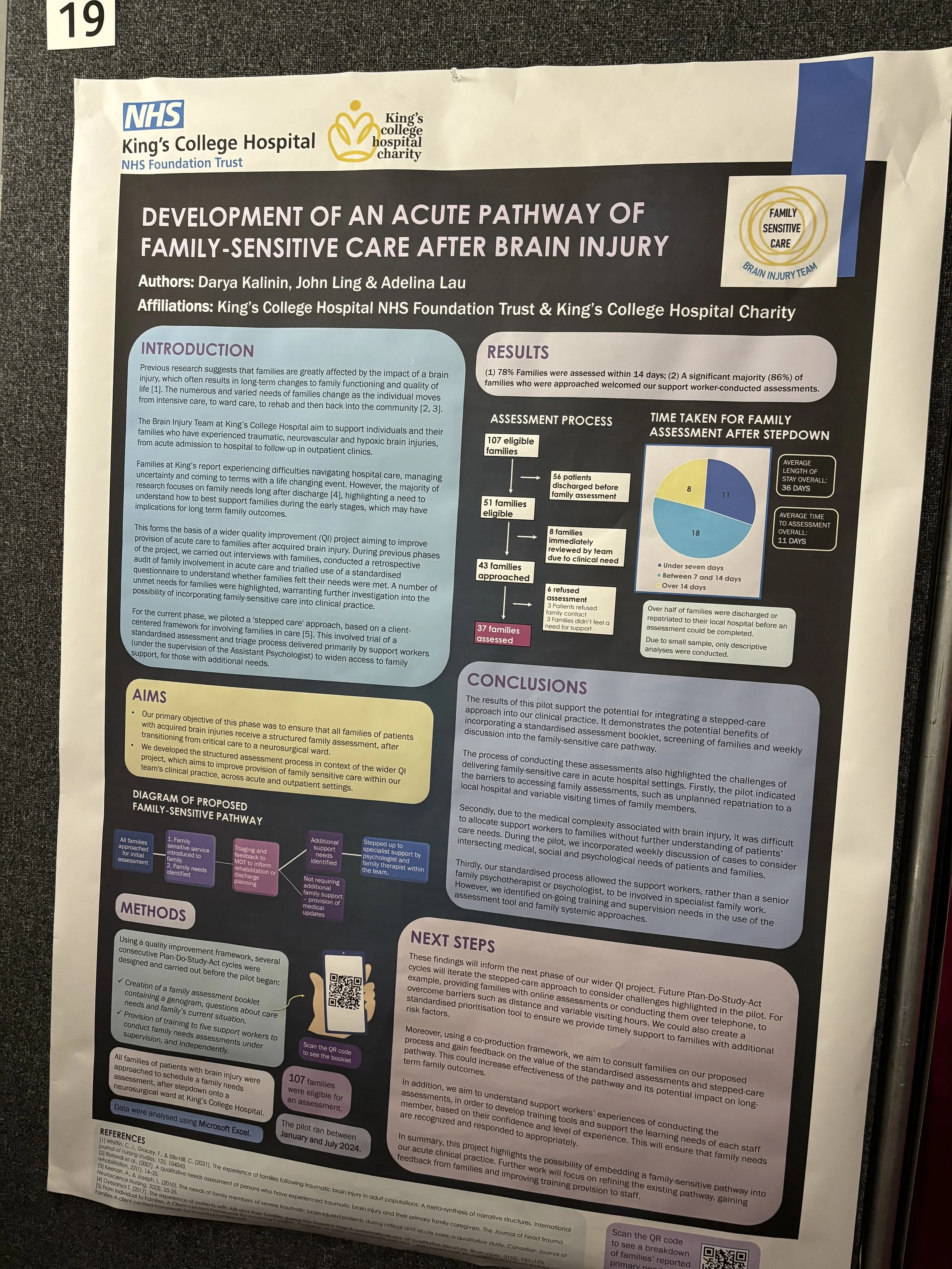
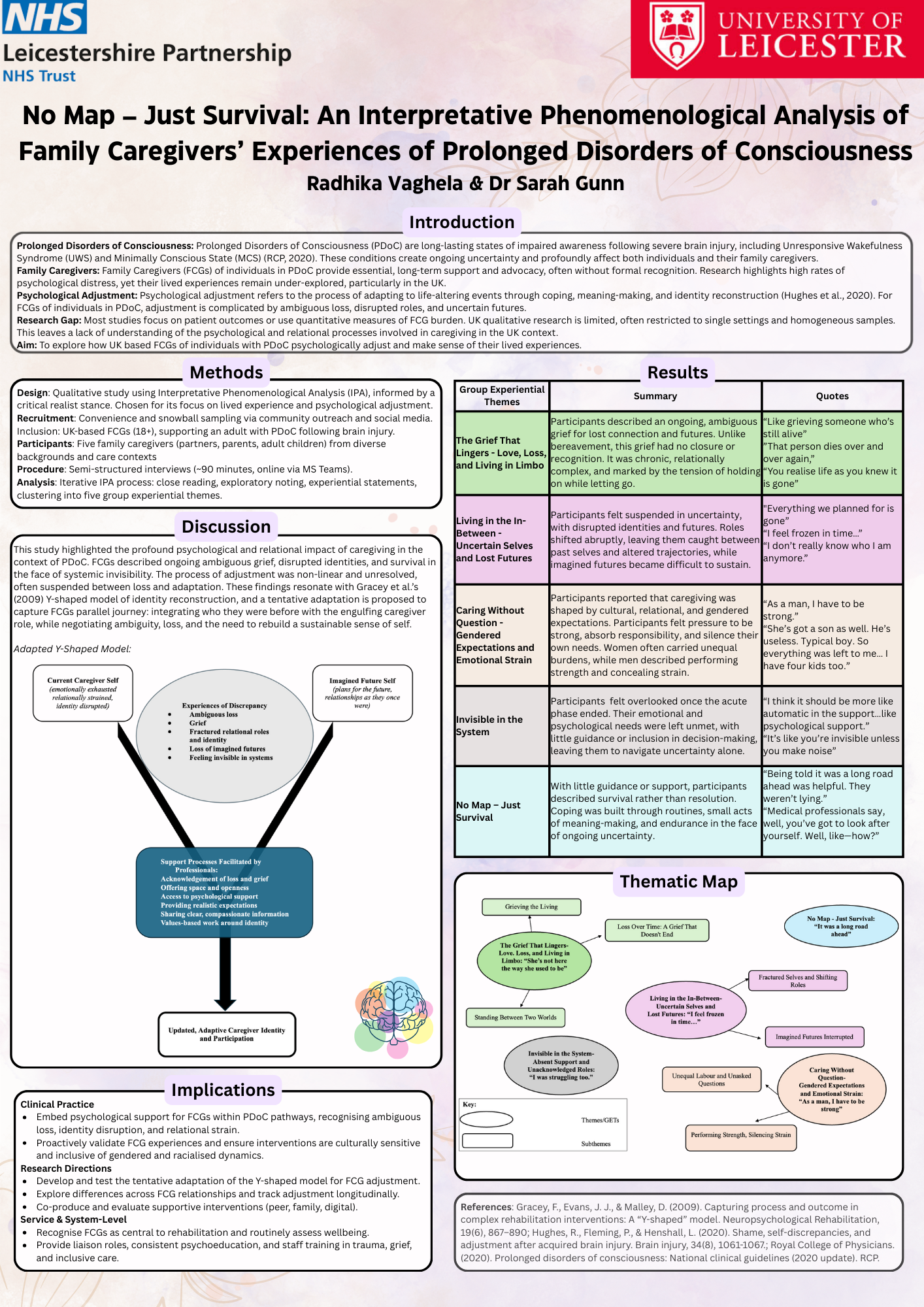
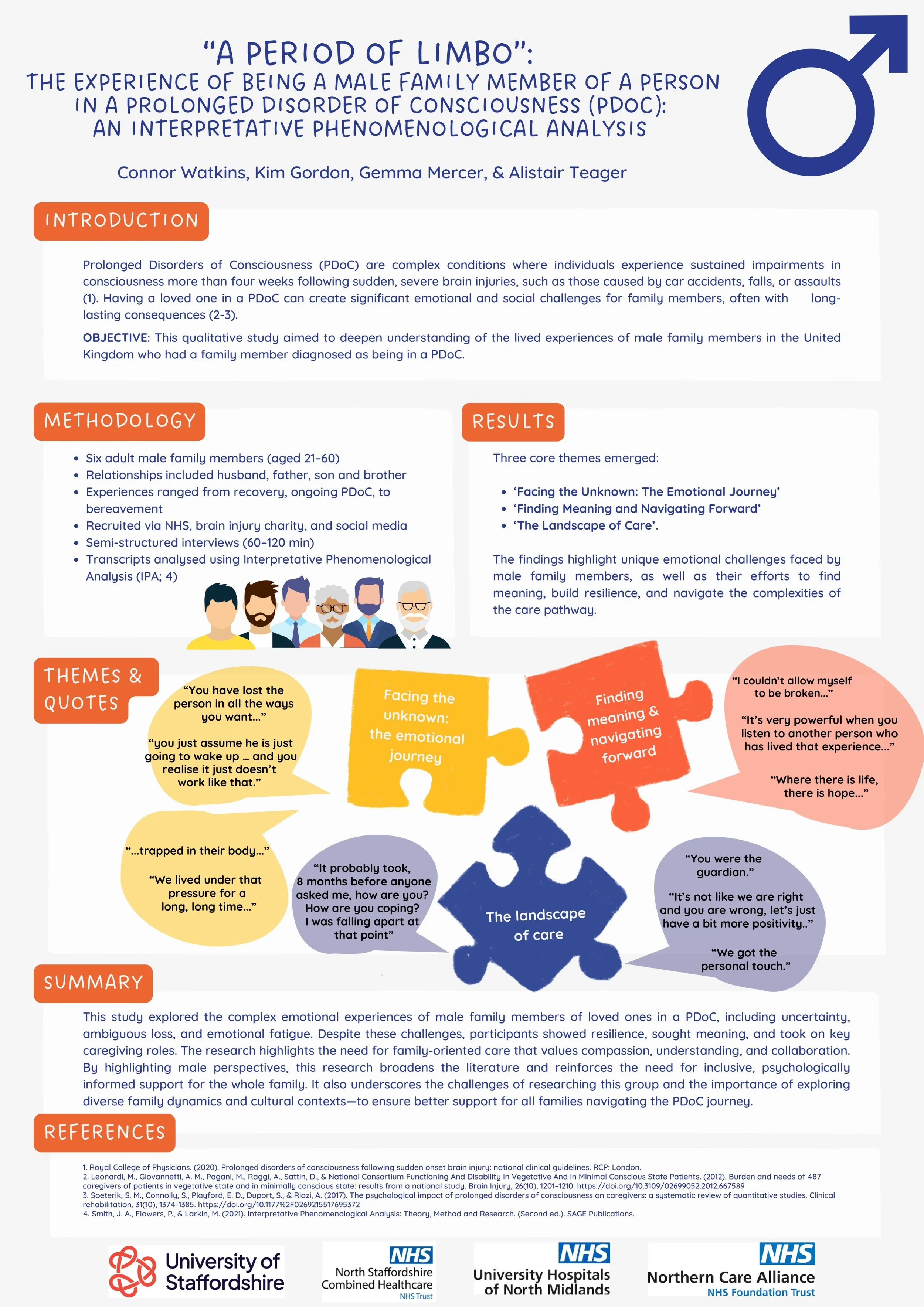
Conference posters

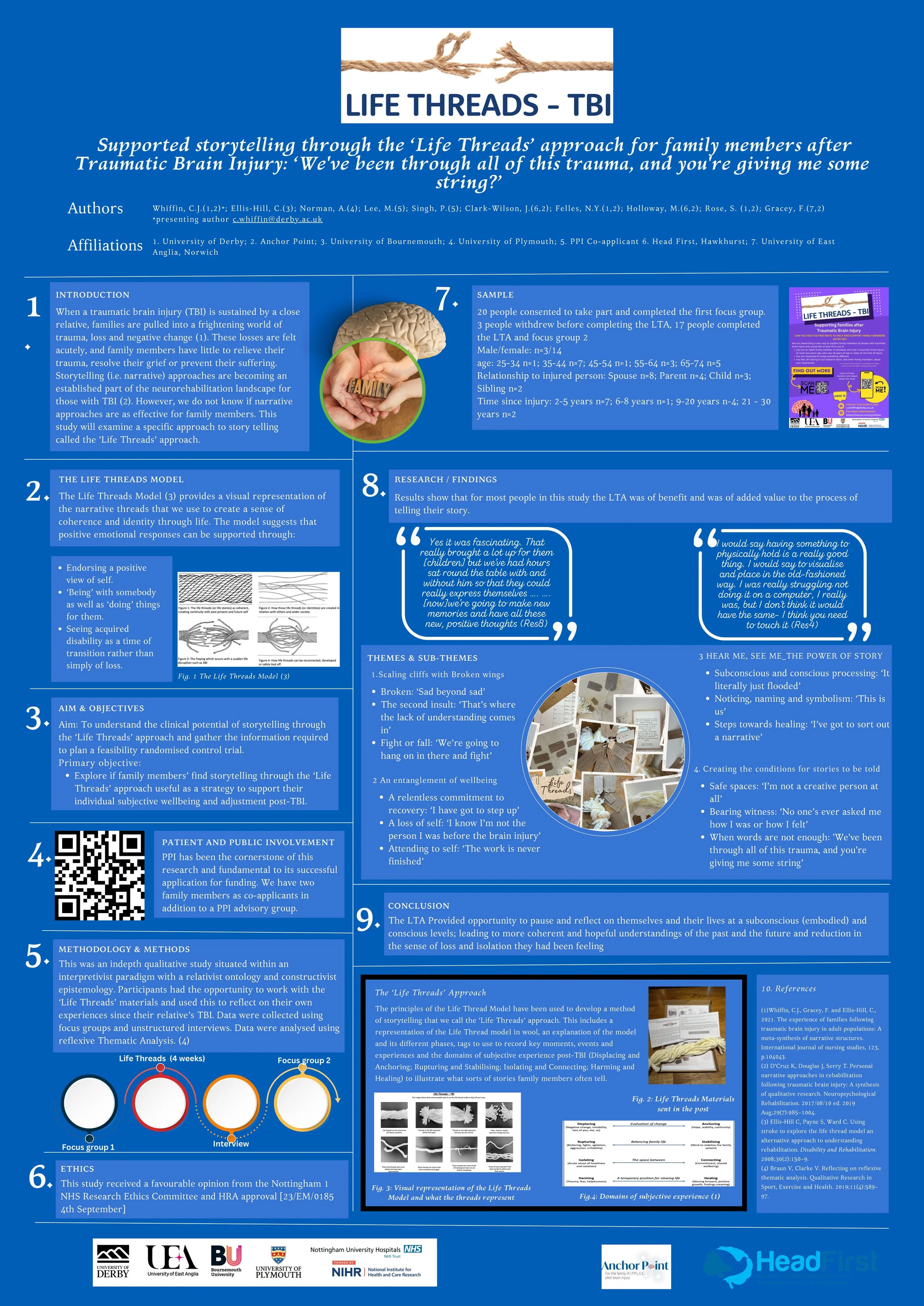
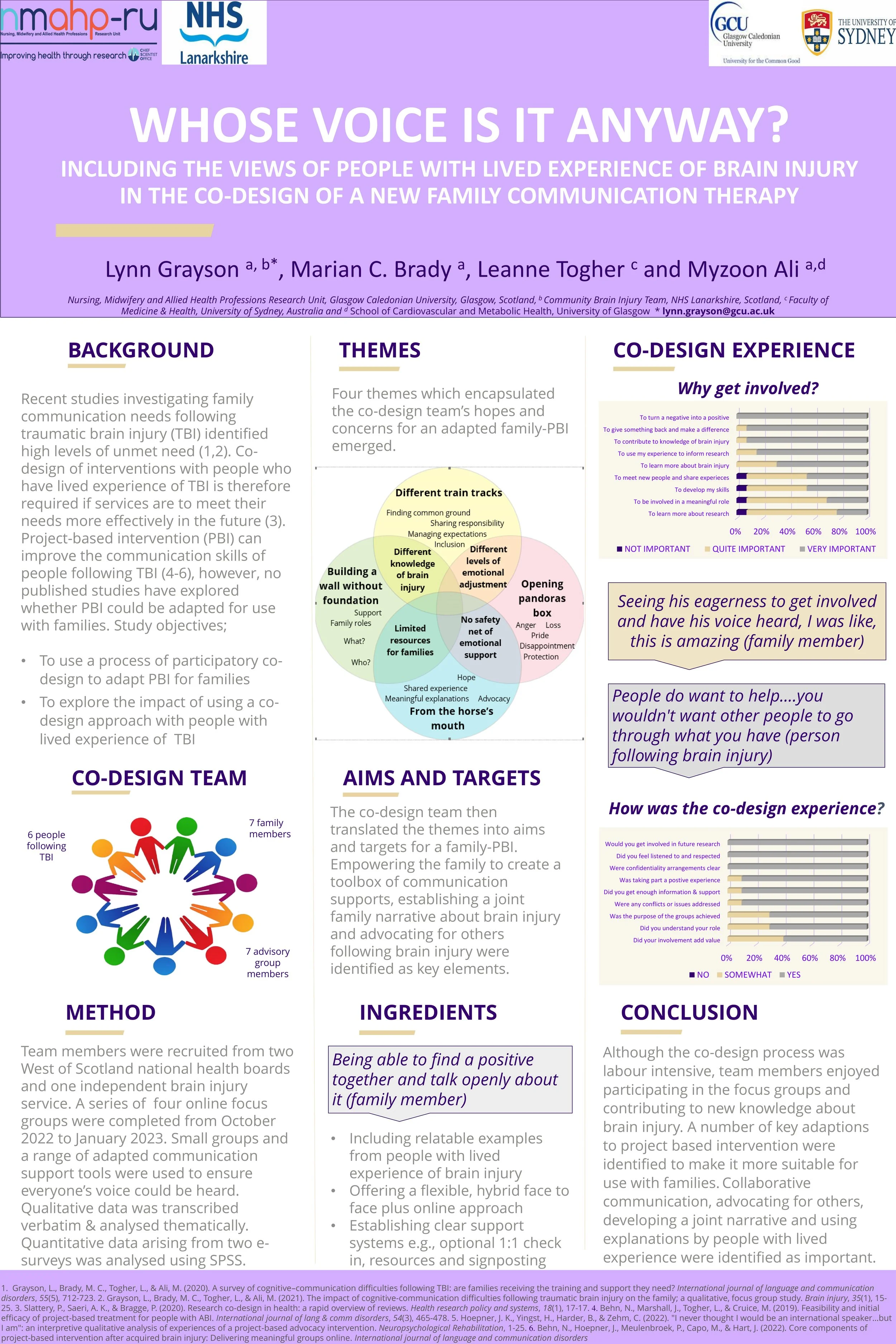
Check out these posters from UKABIF 2024!

Research Presentations

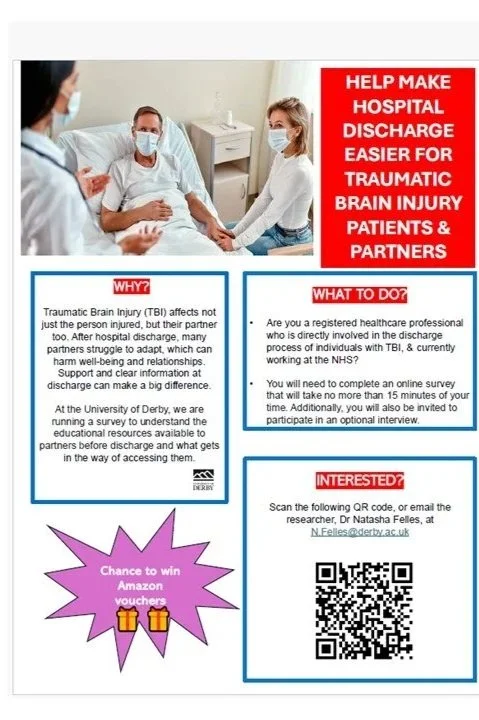
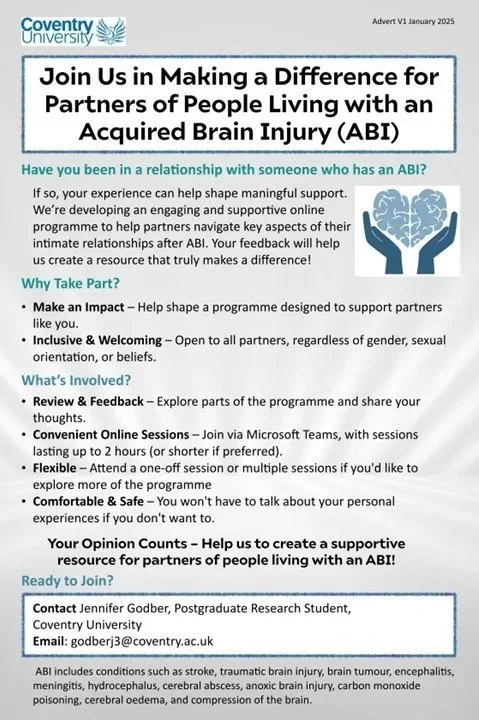
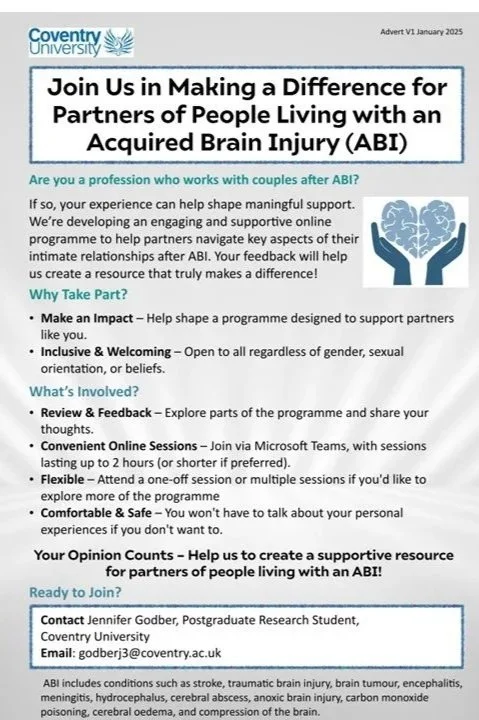
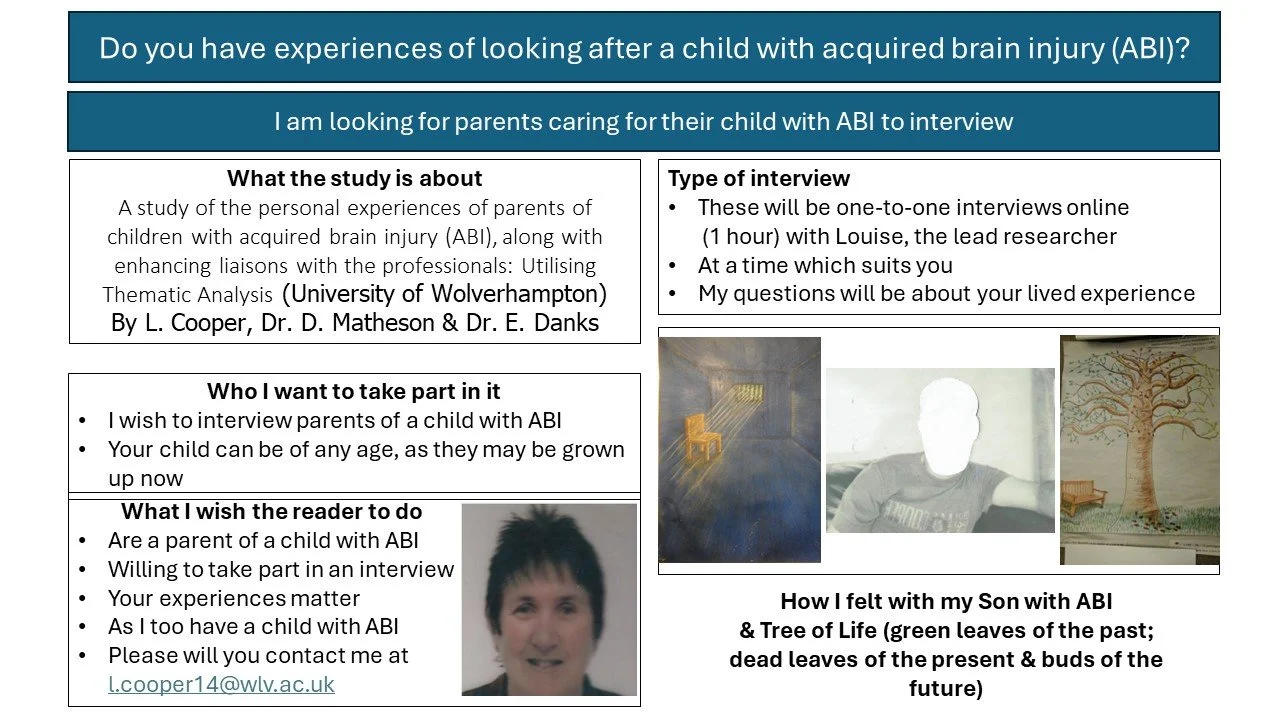
Study recruitment

A close-up of a water droplet splash creating a crown-shaped wave with a blue droplet suspended above the splash, on a dark reflective surface.

Driving change through research

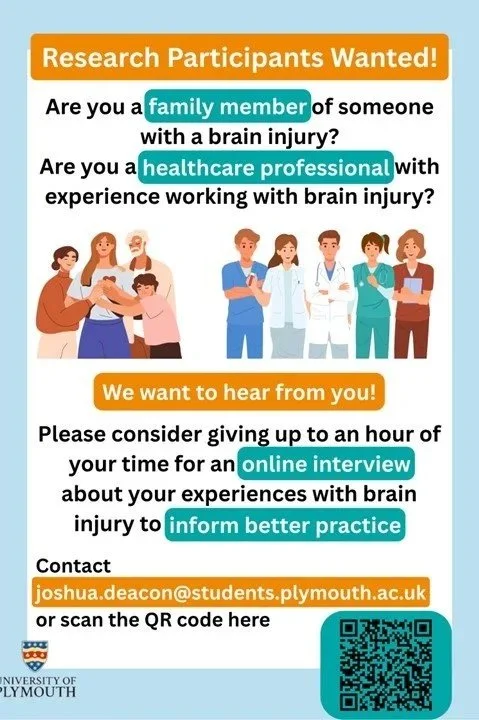
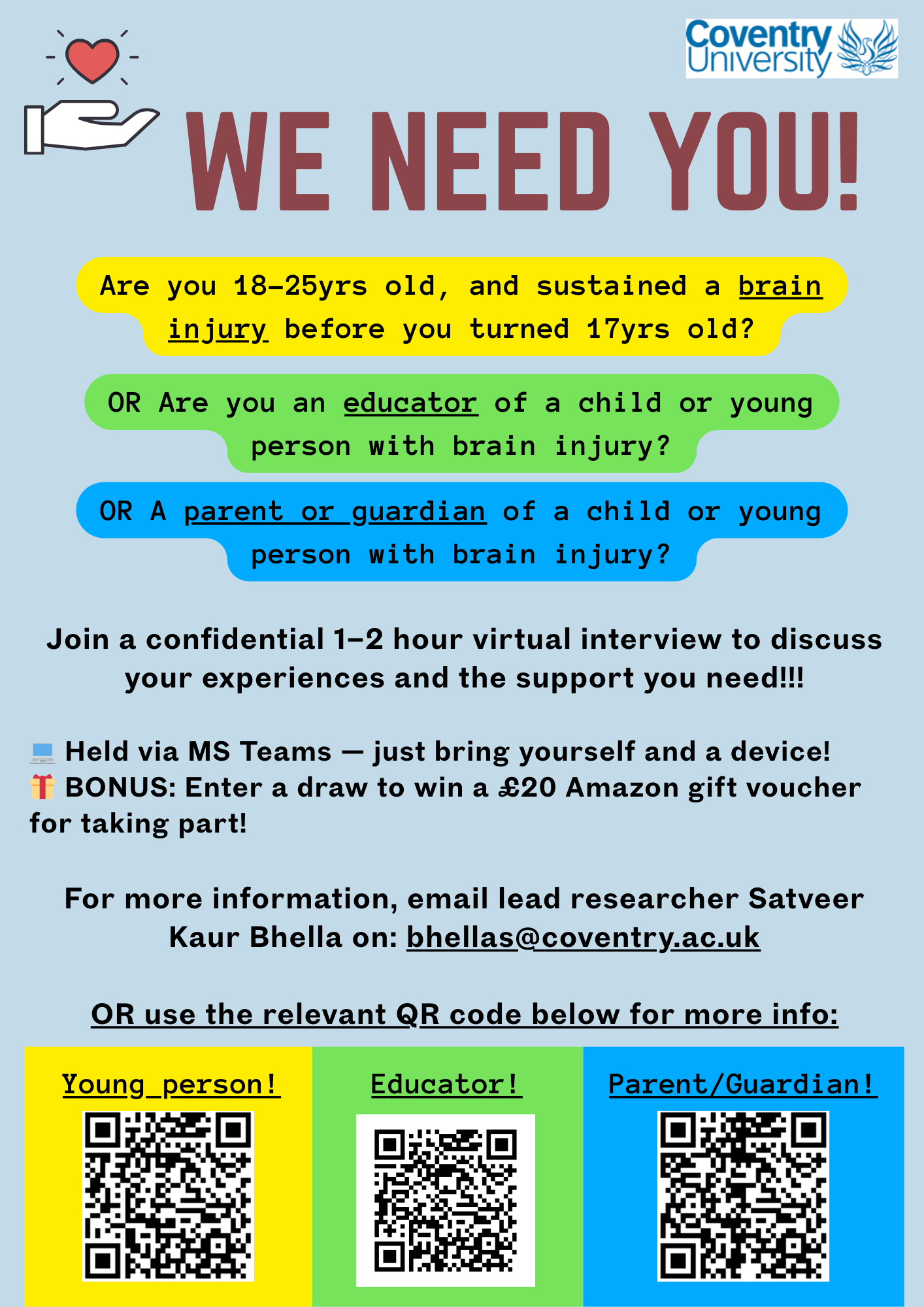
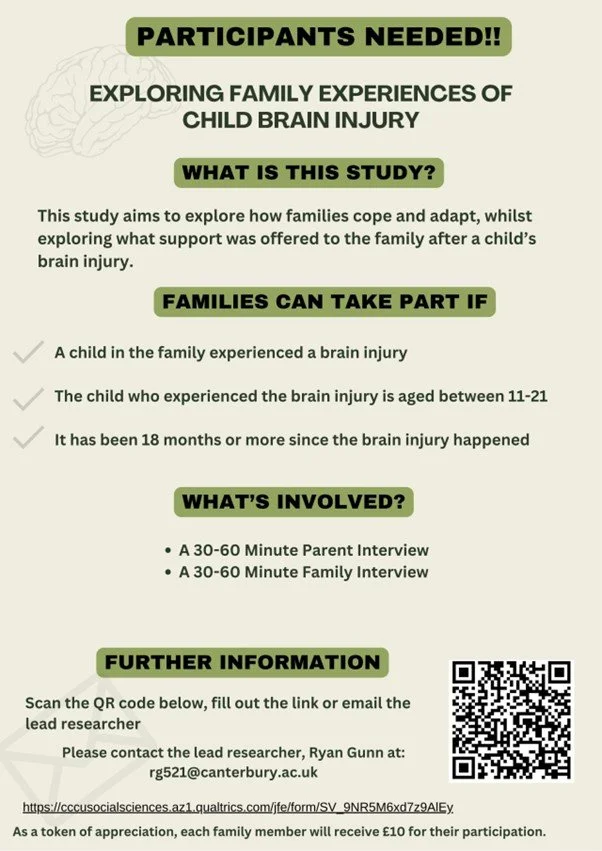
We have been supporting researchers to recruit participants to studies that will improve the lives of families after ABI. Check out these study adverts to find out more.

Looking to get involved?

If you are a family member and would like to help researchers design better research, or take part in research yourself you can register your interest on the Register for Healthcare Involvement and Technology Evaluation (RHITE)

Once registered in may be a little while before you are paired with a research team.

https://orion.net/rhite

Looking for a supervisor?

Are you looking for an expert to supervise research that will make a difference to families after ABI?

Check out our profiles below and contact them directly with your ideas for research to improve the lives of families after ABI.
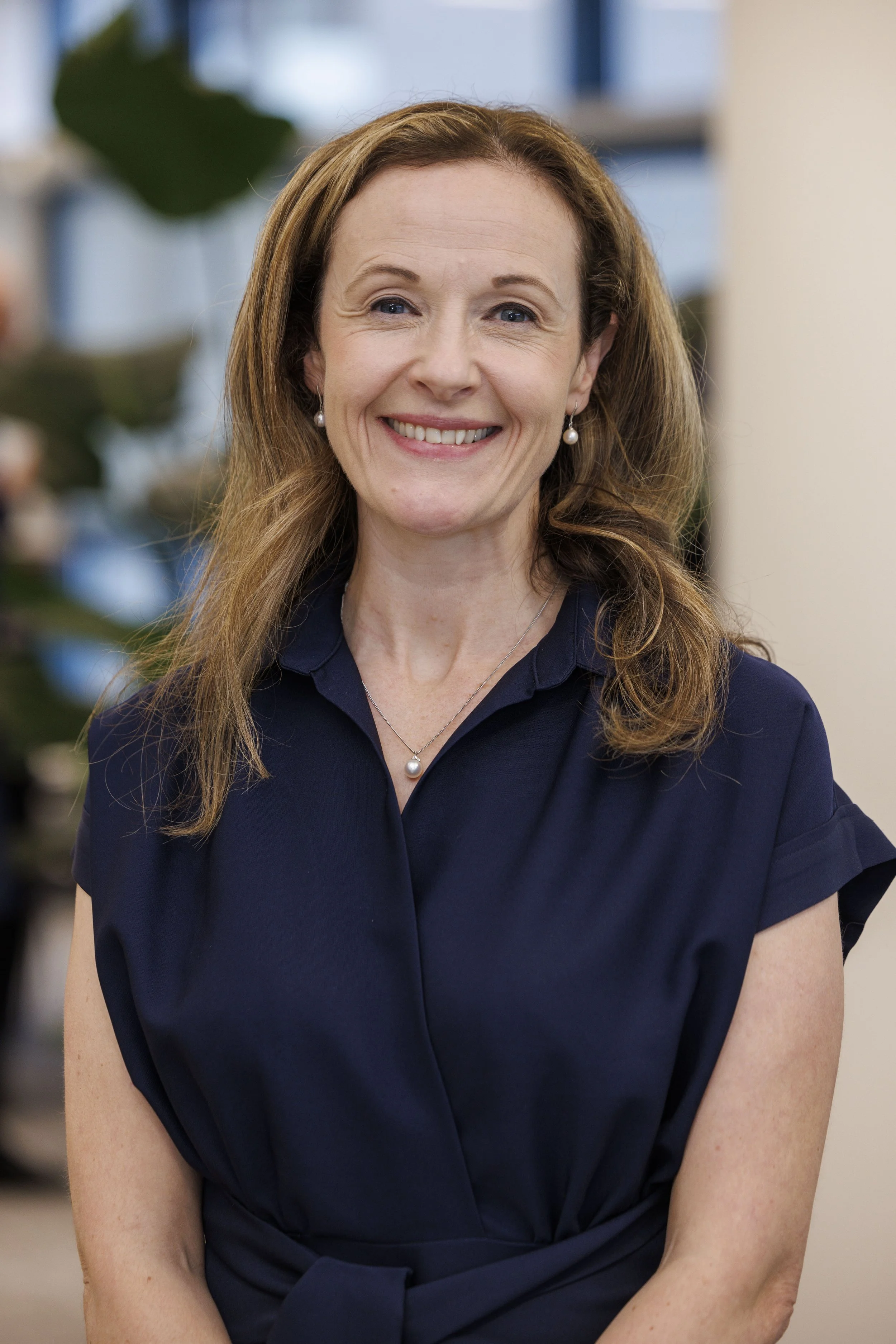
A man with short light hair, glasses, and a slight smile wearing a black shirt with striped collar details.
A smiling woman with long, light brown hair, wearing a sleeveless black dress, silver jewelry, and standing with crossed arms against a plain white background.
Portrait of a woman with wavy blonde hair, wearing a plaid shirt, against a plain white background.
  • University of Derby

    Specialist areas: Qualitative research/narrative inquiry/thematic analysis/ Traumatic brain injury

    email: c.whiffin@derby.ac.uk

  • University of Plymouth

    Specialist areas: mixed methods; qualitative; social care; literature reviews; sibling perspectives, ambiguous loss

    email: a.norman@plymouth.ac.uk

  • University of East Anglia

    Specialist areas: DClinPsych; identity; qualitative inquiry