
Research
Strategic aim: Promote excellence in the evidence base, translating research into best practice for families after ABI.
Stay informed
We provide a platform to share contemporary research findings about the impact of ABI on families.
Publications of interest: 2026
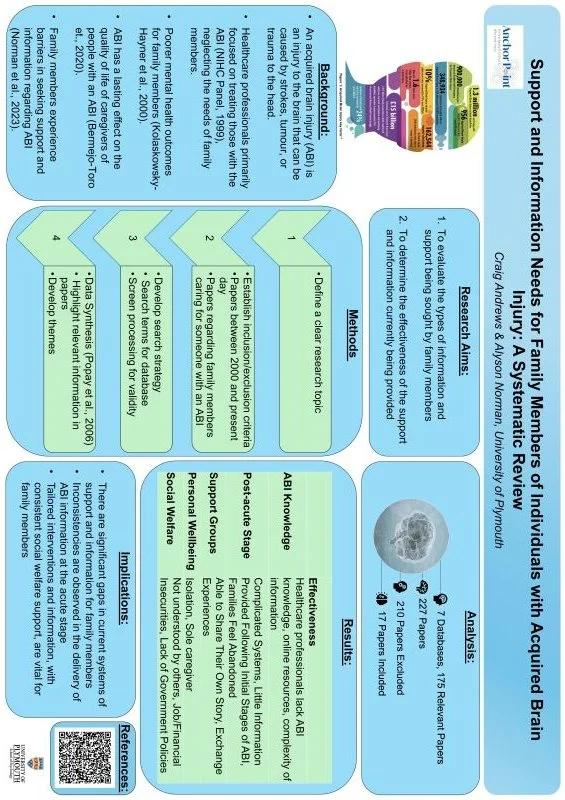
Andrews, C., Norman, A., Jackson, S., & Holloway, M. (2026). Understanding the Support and Information Needs of Family Members After Acquired Brain Injury: A Systematic Review. The Family Journal, 0(0). https://doi.org/10.1177/10664807261415878
Barcenas, C., Klonoff, P., Theodorou, A., Van Doren, J., Schaffer, S., Koberstein, E., ... & Palmer Cancel, S. (2026). Self-Awareness in Survivors of an Acquired Brain Injury and Its Impact on Caregiver Burden. Brain Sciences, 16(4), 383. https://doi.org/10.3390/brainsci16040383
Behn, N., Christensen, I., Cruice, M., Hilari, K., Kellar, I., & Togher, L. (2026). Lived experience of cognitive-communication changes for people with acquired brain injury and familiar communication partners: A qualitative evidence synthesis. PLoS One, 21(5), e0349220. https://doi.org/10.1371/journal.pone.0349220
Behn, N., Christensen, I., Kellar, I., Togher, L., Hilari, K., & Cruice, M. (2026). A qualitative evidence synthesis of communication partner training: Exploring the experiences of communication partners and people with acquired brain injury. American Journal of Speech-Language Pathology. https://pubs.asha.org/journal/ajslp
Bertoni, D., Basagni, B., Mondini, S., De Tanti, A., & Di Rosa, E. (2026). Depression, Anxiety, and Stress After Acquired Brain Injury: The Role of Cognitive Reserve in Patients and Caregivers’ Symptoms.Journal of Central Nervous System Disease, 18, 11795735261443603. https://doi.org/10.1177/1179573526144
Byrne, F. (2026). Therapeutic Support to Families Living with Acquired Brain Injury (ABI) Within Systemic and Narrative Practice. In Medical Family and Systemic Psychotherapy: Working With Individuals, Families and Healthcare Professionals (pp. 151-169). Cham: Springer Nature Switzerland.
Castillo, J.L., Aza, A., Fernández, M. et al.(2026). Assessing family quality of life in families of people with brain injuries: a Delphi study. Health Qual Life Outcomes24, 70. https://doi.org/10.1186/s12955-026-02530-y
Guldager, R., Gyldenöhr, E., Poulsen, I., Aadal, L., Nordentoft, S., & Loft, M. I. (2026). Relatives’ Involvement in the Care Pathway of Patients With Acquired Brain Injury or Malignant Brain Tumour: An Observational Study. Nursing Research and Practice, 2026(1), 2280006. https://doi.org/10.1155/nrp/2280006
Guldager, R., Sejr Smedegaard, P., Nordentoft, S., Aadal, L., Ingerslev Loft, M., & Poulsen, I. (2026). Facilitators and Barriers of Relatives' Involvement in Care of Patients With Acquired Brain Injury or Malignant Brain Tumour: Scoping Review. Nursing Open, 13(1), e70417. https://doi.org/10.1002/nop2.70417
Högsnes, M., Grim, K., Udo, C., Landstedt, E., & Ullsten, A. (2026). Hospital social work in acquired brain injury care: patients' and kin'experiences and perspectives on psychosocial support. International Journal of Qualitative Studies on Health and Well-being, 21(1), 2654063. https://doi.org/10.1080/17482631.2026.2654063
Jenkin, T., Scheinberg, A., Tavender, E., Pinto, C., Khillan, A., McKay, A., Lannin, N., Anderson, V., & Knight, S. (2026). ‘In This Together’: Co-designing a novel knowledge translation intervention to support understanding and management of agitation and altered consciousness following paediatric acquired brain injury.Journal of Neuropsychology, 00, 1–16. https://doi.org/10.1111/jnp.70055
Mcdonald, S., Wearne, T., Wallis, K., Newby, J., Grant, S., Gertler, P., & Simpson, G. (2026). The Carers Way Ahead: a randomized controlled trial of an online psychoeducational programme for families managing challenging behaviours following traumatic brain injury. Neuropsychological Rehabilitation, 1-30. https://doi.org/10.1080/09602011.2026.2634399
Norman, A., Holloway, M., Bald, C., Amadiegwu, A., Clark, M., Linden, M. A., Spirit, T., Ademakinwa, T., Mellor, K., Ricketts, A., Driver, L., Grant, S., Shephard, S., & Bateman, A. (2026). “I wasn’t prepared for that”: UK social worker experiences of training in and knowledge of acquired brain injury. Journal of Social Work. Advance online publication. https://doi.org/10.1177/14680173251409284
Palomero-Sierra, B., Sánchez-Gómez, V., García-Domínguez, L., Alvarado, N., & Esteban, L. (2026). Family quality of life and the impact of communication impairments in individuals with acquired brain injury. Psychology, Health & Medicine, 1-16. https://doi.org/10.1080/13548506.2026.2632841
Sapsford, E., Norman, A., Jackson, S., Deacon, J., Ravenhill, E., & Keohane, P. (2026). Degrees of Separation: Grandchildren's Experiences of Grandparental Brain Tumor or Stroke. The Family Journal, 10664807261438060. https://doi.org/10.1177/10664807261438060
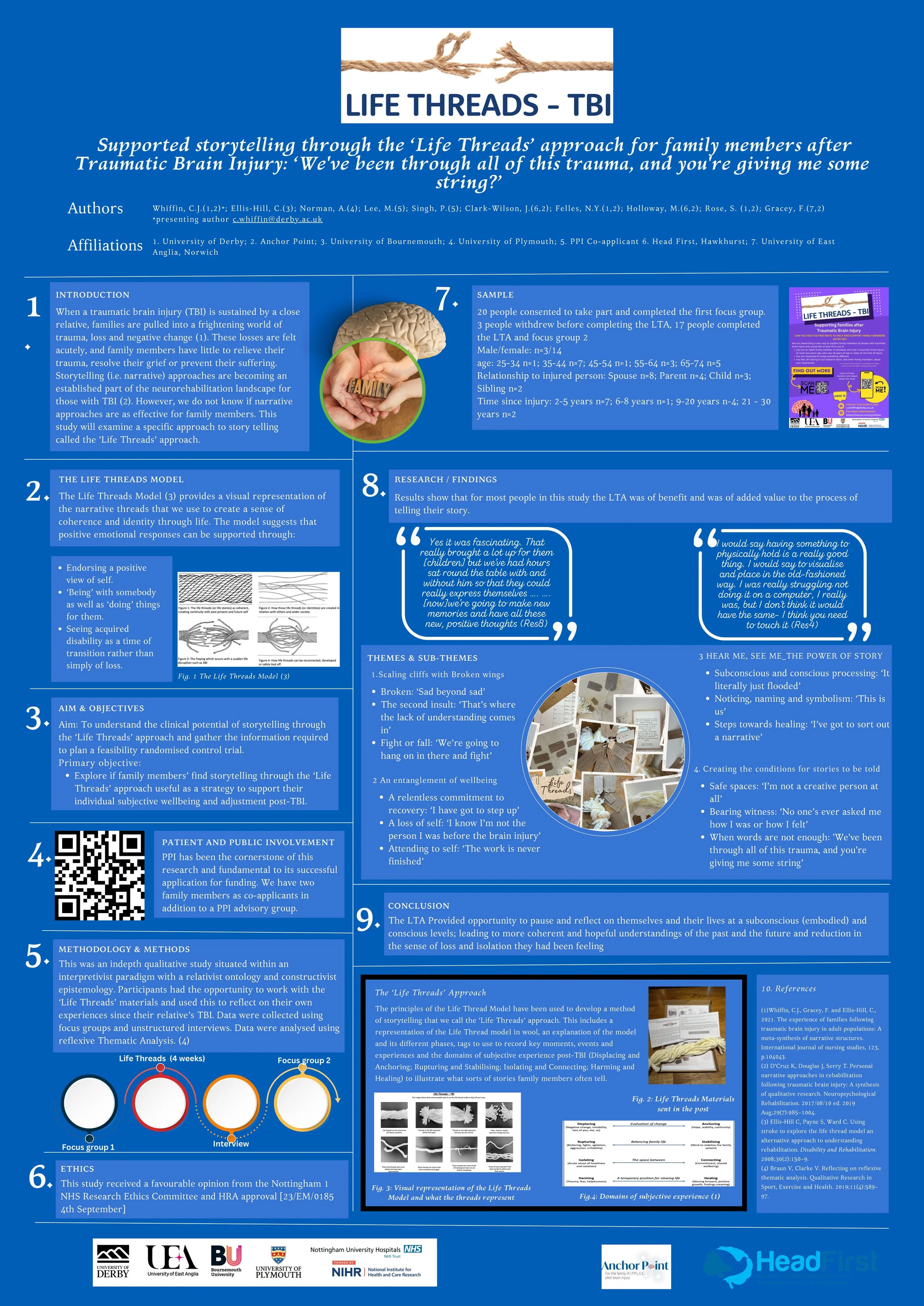
Whiffin CJ, Ellis-Hill C, Norman A, Lee M, Singh PK, Holloway M, et al. (2026) Supported storytelling through the ‘Life Threads’ approach for family members after traumatic brain injury: “We’ve been through all of this trauma, and you’re giving me some string?”. PLoS One 21(5): e0349304. https://doi.org/10.1371/journal.pone.0349304
.Click the button below to find out more about Life Threads TBI a novel story telling technique to support families after traumatic brain injury
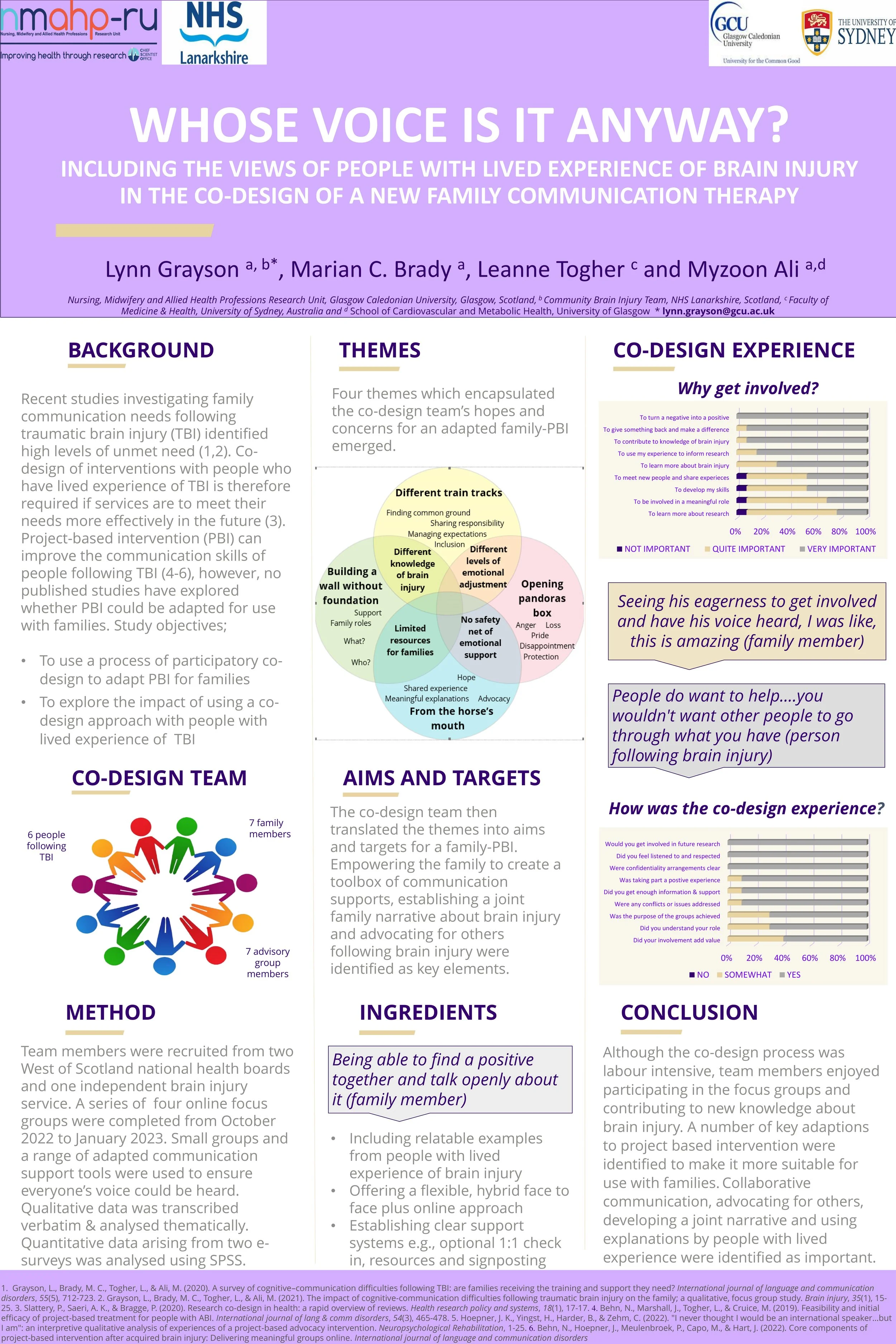
Conference posters
Check out these posters from UKABIF 2024 and other recent conferences!


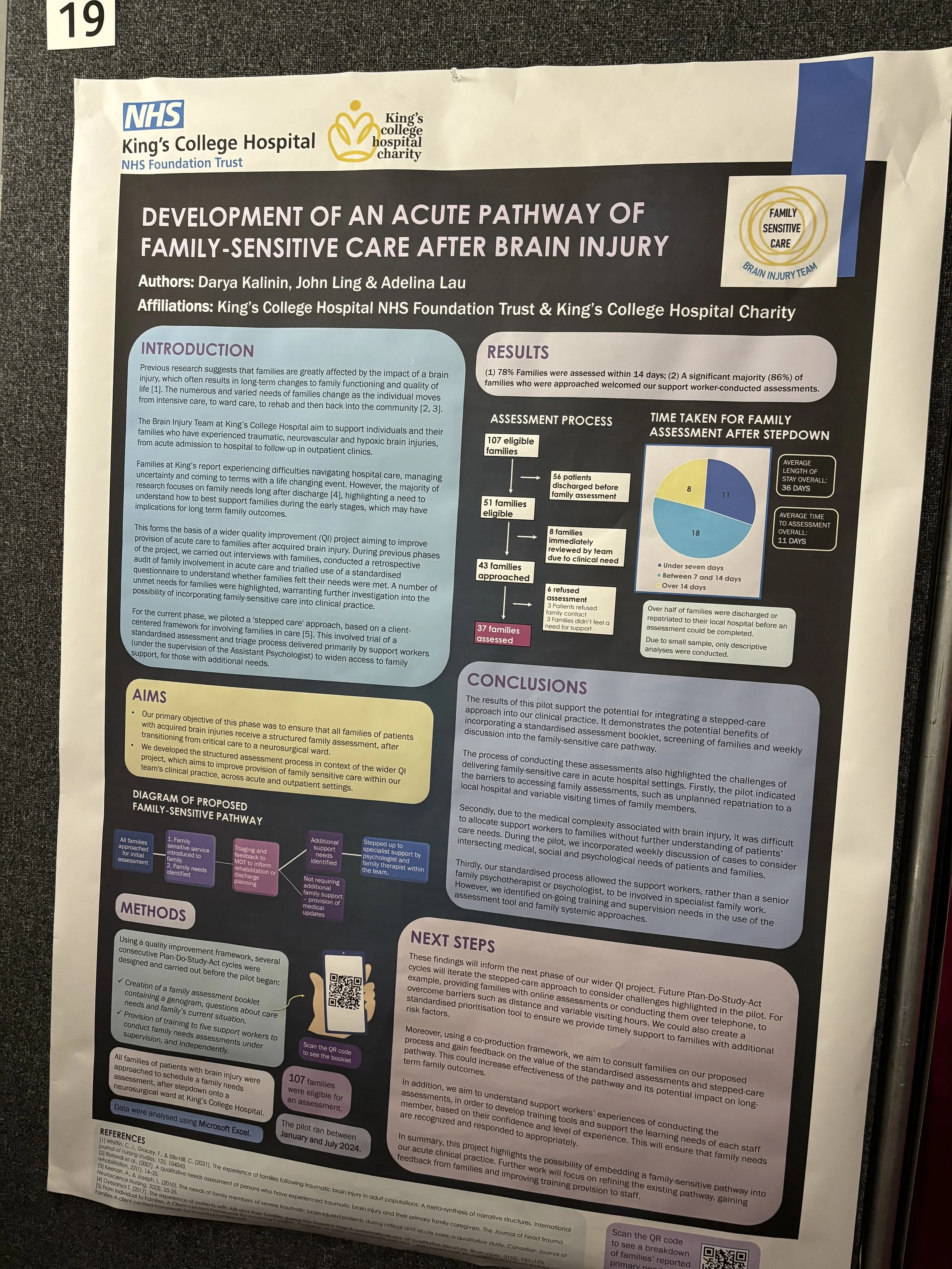


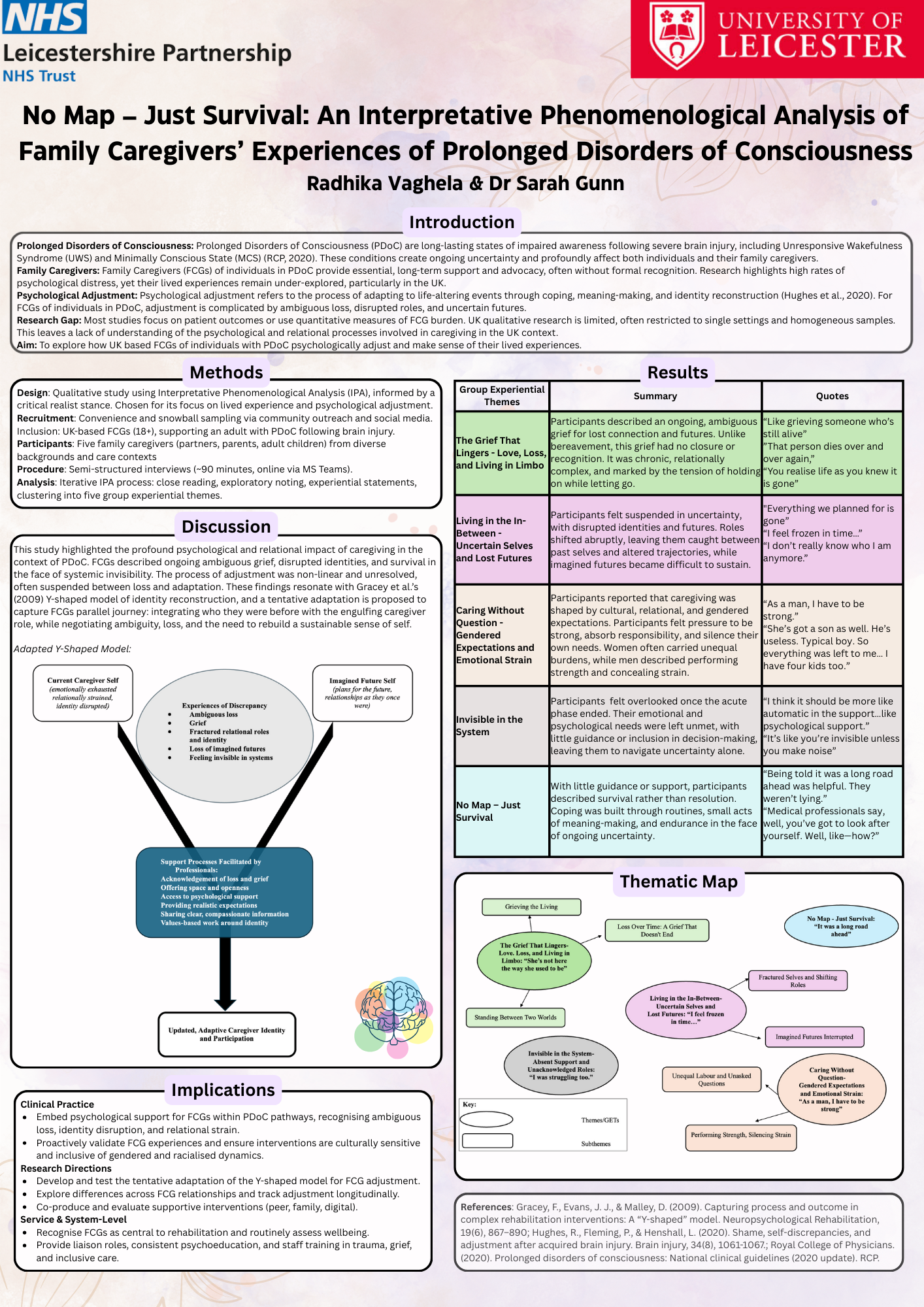
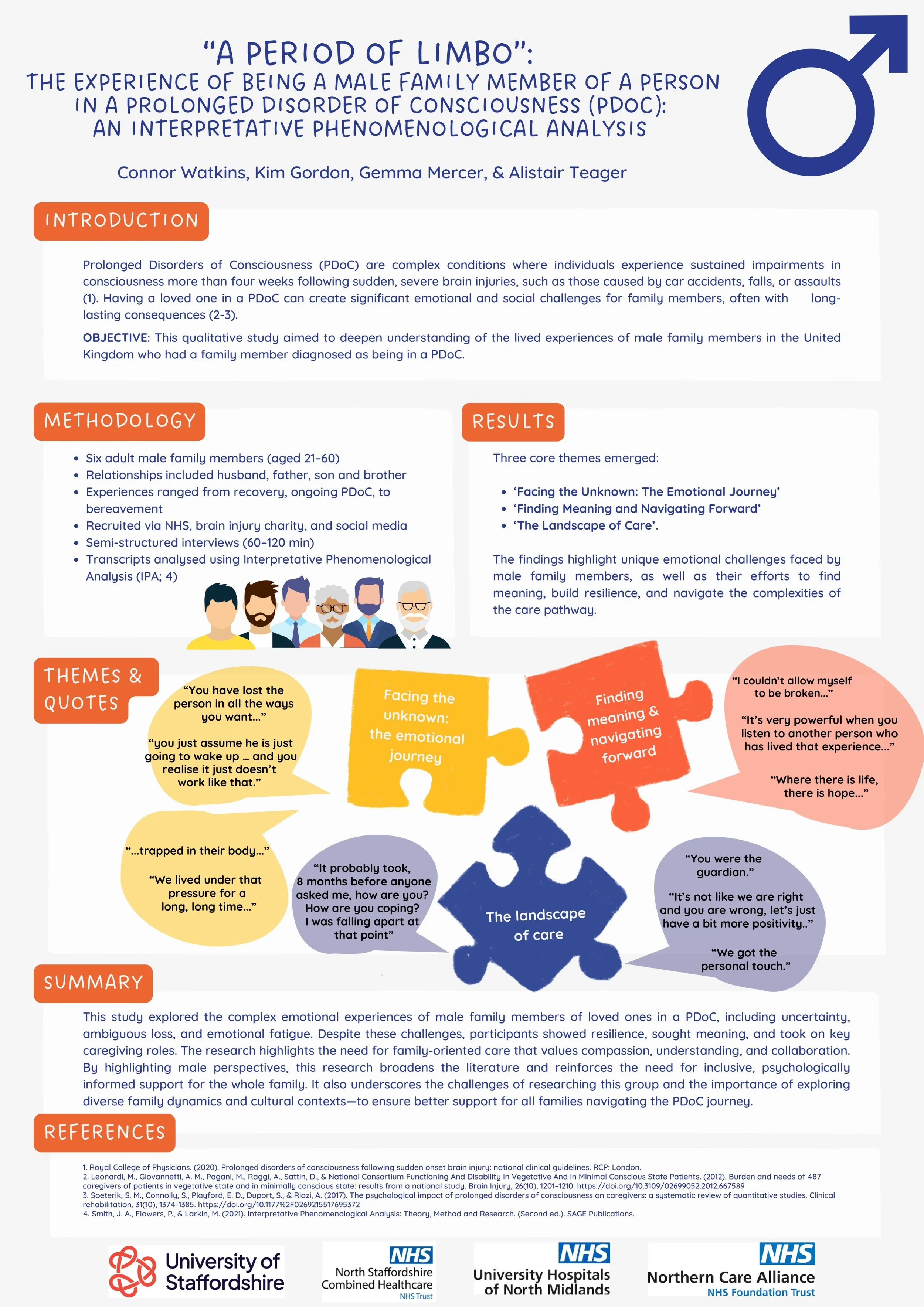
Research Presentations
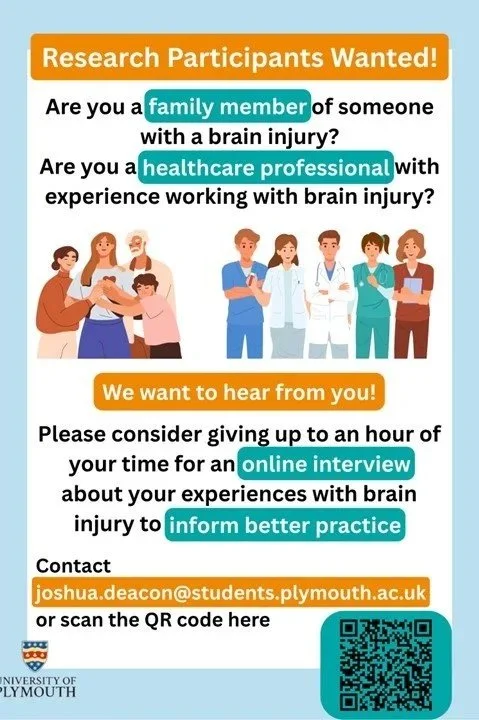
Study recruitment

Driving change through research
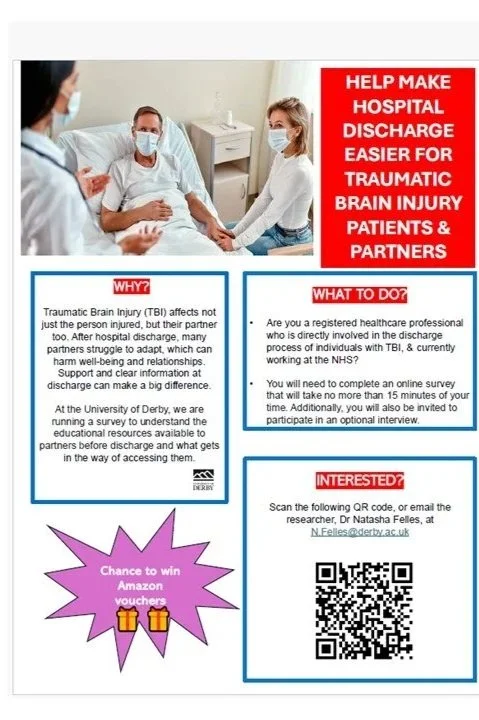
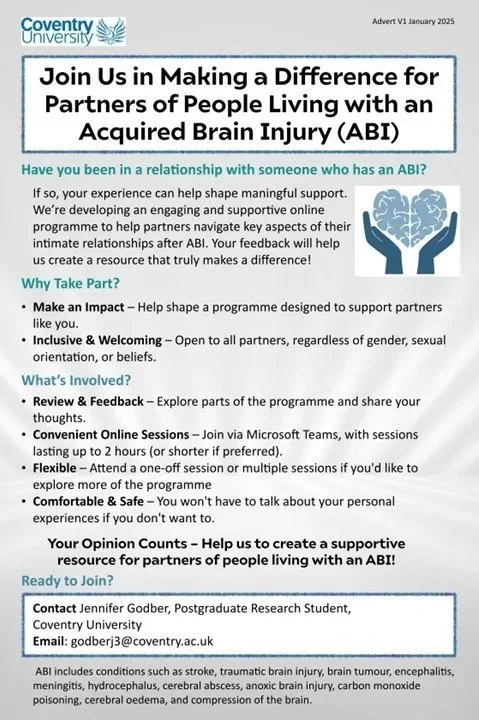
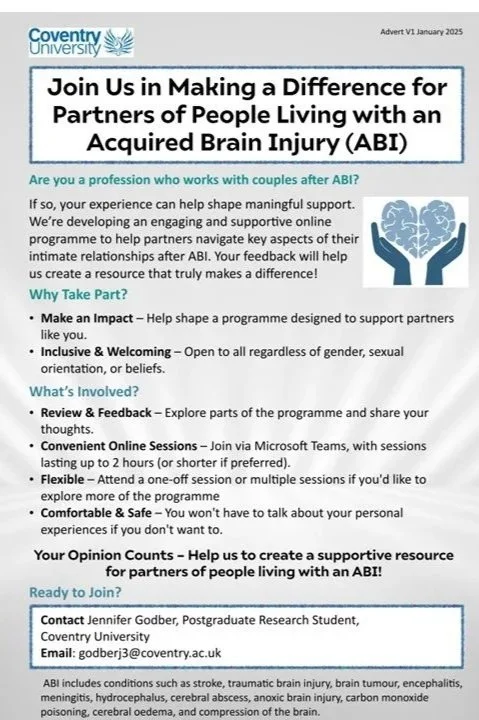
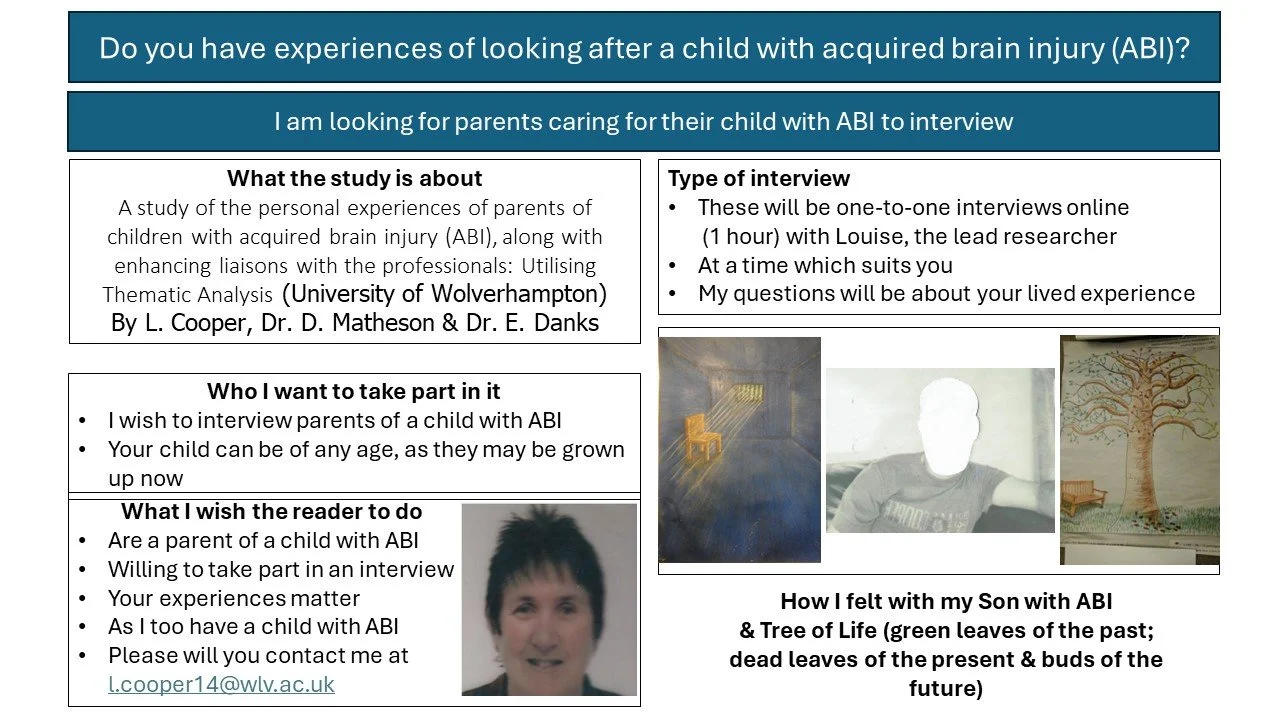
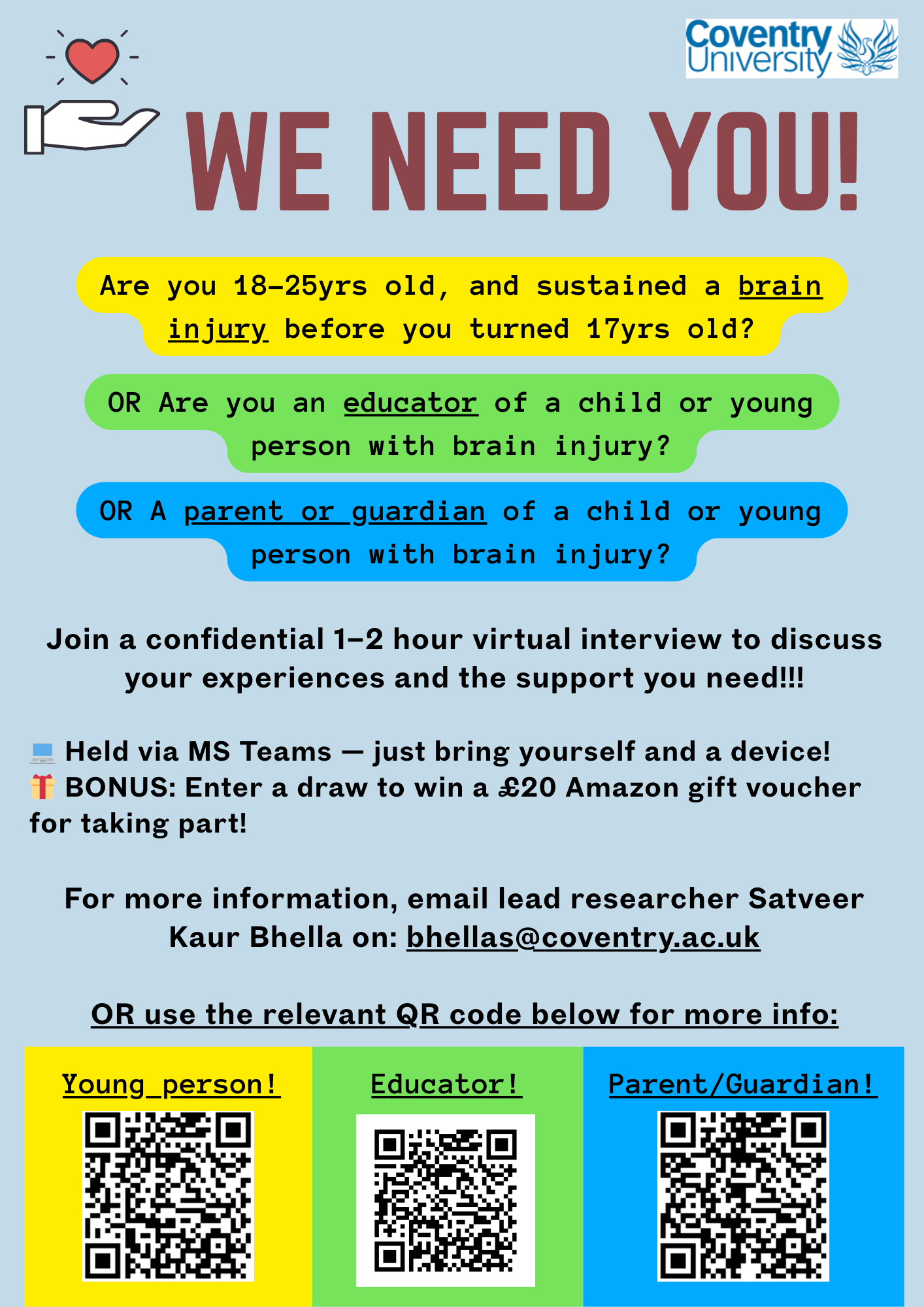
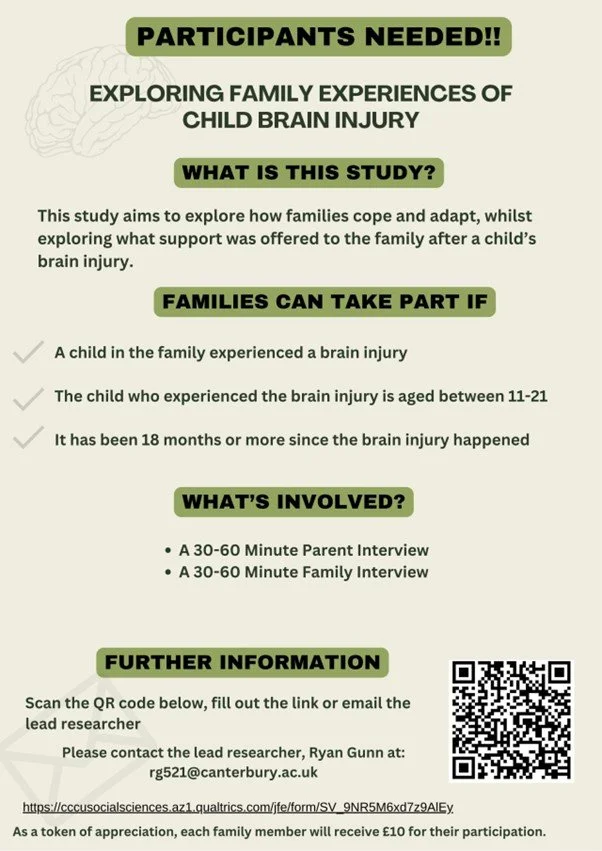
We have been supporting researchers to recruit participants to studies that will improve the lives of families after ABI. Check out these study adverts to find out more.
So far in the 2025/2026 academic year, Anchor Point has helped 10 researchers recruit to studies that aim to improve the lives of families after ABI. Together, we are driving change.
Research supported by Anchor Point

Looking to get involved?
If you are a family member and would like to help researchers design better research, or take part in research yourself you can register your interest on the Register for Healthcare Involvement and Technology Evaluation (RHITE)
Once registered in may be a little while before you are paired with a research team.
https://orion.net/rhite
Looking for a supervisor?
Are you looking for an expert to supervise research that will make a difference to families after ABI?
Check out our profiles below and contact them directly with your ideas for research to improve the lives of families after ABI.
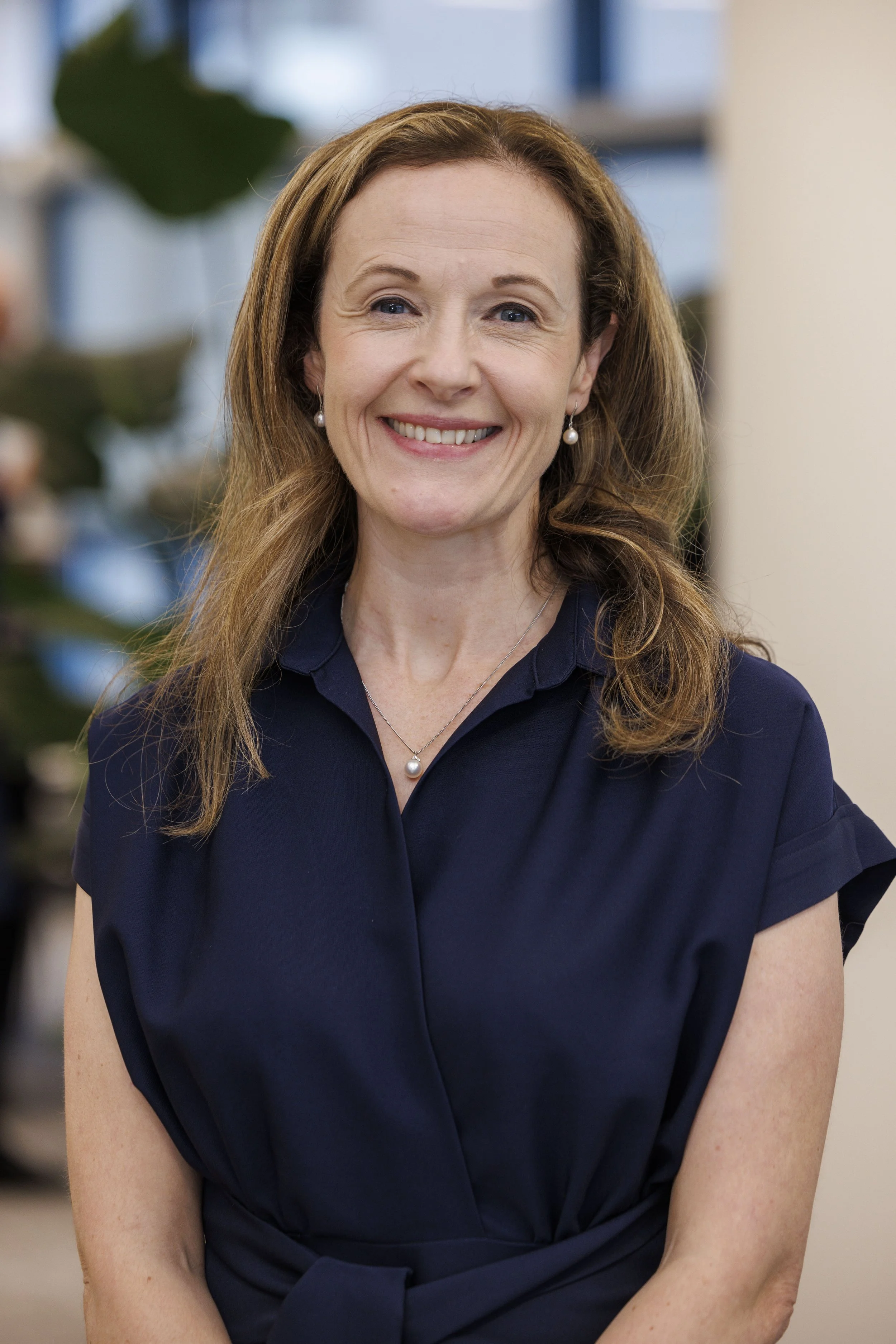
Prof. Charlie Whiffin

Dr Alyson Norma

Dr Fergus Gracey

Dr Natasha

Dr Nils Rickardsson
Get in touch
Thinking about conducting research to improve the lives of families after Acquired Brain Injury?
Whether you're a student, clinician, researcher, family member, or professional interested in developing research in this area, it can be difficult to know where to start. We've compiled some frequently asked questions and resources that may help.
-
A good first step is to identify a topic you are passionate about and find potential supervisors with expertise in brain injury, rehabilitation, family experiences, social care, psychology, nursing, or allied health professions.
Useful places to start include:
NIHR Academy: https://www.nihr.ac.uk
FindAPhD: https://www.findaphd.com
UKRI Studentships: https://www.ukri.org
University doctoral training programmes
Academic conferences and networks such as UKABIF: https://ukabif.org.uk
You may also wish to contact the Anchor Point Research Working Group, who may be able to signpost relevant researchers, networks, and opportunities.
-
Research funding comes from many sources depending on the stage of your career and project.
Potential funders include:
National Institute for Health and Care Research (NIHR) https://www.nihr.ac.uk
Relevant programmes include:
Doctoral Fellowships
Pre-doctoral Fellowships
Advanced Fellowships
Research for Patient Benefit (RfPB)
Health and Social Care Delivery Research (HSDR)
Programme Grants for Applied Research
UK Research and Innovation (UKRI) https://www.ukri.org
Many universities and organisations also offer internal seed funding schemes and pump-priming grants to support early-stage projects.
Funding can be hard to get so find someone with experience to help you.
-
Designing a high-quality study can feel overwhelming, but support is available.
The NIHR Research Support Service provides free support to researchers developing health and social care research proposals.
https://www.nihr.ac.uk/explore-nihr/support/research-support-service.htm
The RSS can help with:
Study design
Methodology
Statistics
Health economics
Public involvement
Funding applications
Grant development
You may also benefit from approaching local universities, clinical academic networks, or experienced researchers working in ABI.
-
Research is stronger when it is collaborative.
Potential collaborators may include:
Researchers
Clinicians
Rehabilitation services
Third sector organisations
Family members with lived experience
Policy makers
Social care professionals
Useful networks include:
UKABIF
Anchor Point
NIHR Applied Research Collaborations (ARCs)
Academic Health Science Networks
Professional societies relevant to your discipline
Anchor Point welcomes opportunities to connect researchers with people who share an interest in improving outcomes for families after ABI. So get in touch and talk to us about your ideas!
-
Patient and Public Involvement and Engagement (PPIE) is an essential part of high-quality research.
PPIE means working with people who have lived experience to help shape:
Research priorities
Study design
Recruitment materials
Data collection methods
Dissemination plans
NIHR The Brain Injury Health Tech Research Centre have a public register for individuals interested in taking part in brain injury research. So if you are looki fo PPIE please contact them directly about this https://hrc-braininjury.nihr.ac.uk/get-involved
Anchor Point may also be able to help researchers connect with family members and people affected by ABI to inform meaningful and relevant research.
-
Research has the greatest impact when it is co-produced with the people it aims to benefit.
Consider:
Involving families from the start
Addressing priorities identified by people with lived experience
Working across disciplines
Planning for implementation from the outset
Sharing findings in accessible ways
Anchor Point was established because families affected by ABI continue to face significant unmet needs despite decades of research. Our mission is to drive change to improve the lives of families after ABI through collaboration, influence, and meaningful impact.
-
Developing a research idea can feel overwhelming, especially if you are new to research or working in a field outside your usual area of expertise. Fortunately, there are a number of networks and programmes designed to support researchers, clinicians, practitioners, and people with lived experience to develop ideas, build collaborations, and grow their research careers.
The following NIHR Incubators provide mentoring, networking, training, and opportunities to connect with experienced researchers:
NIHR Social Care Research Incubator
Supports people interested in developing research that improves social care services and outcomes.
https://www.arc-sl.nihr.ac.uk/research/incubator-for-social-care-researchNIHR Mental Health Research Incubator
Supports researchers interested in mental health and psychological wellbeing research.
https://mentalhealthresearch.org.uk/incubator/NIHR Rehabilitation Research Incubator
Supports the next generation of rehabilitation researchers and those interested in recovery, participation, and quality of life following injury or illness.
https://sites.google.com/nihr.ac.uk/rehab-incubator/homeThese programmes are particularly relevant to researchers interested in improving the lives of families after Acquired Brain Injury, as many important research questions sit across health, social care, rehabilitation, and mental health.